15 best over the range microwave with air fryer you can buy in 2024
AMELIA GARCIA Apr 25, 2024 7:53 PM
Owning the best over the range microwave with air fryer saved my family's happiness! Do you wonder what's happening with my family? What is a microwave with an air fryer that is so magical?

Check out Daily Coupons on Amazon to make sure you do not miss any great deals on your over the range microwave!
As a mother, there was a time when I was afraid to go to the kitchen and not cook for a week. The small kitchen was cluttered with the smell of leftovers, surrounded by greasy appliances such as an oven, microwave, air fryer, and induction cooker,... So my husband and son had to eat out within half a month.
This only ended when my husband bought an over-the-range microwave with an air fryer. This machine changed my life! Not only has the kitchen become cleaner, but the quality of my family's meals has improved. Now every day I am happy and looking forward to the time when I can go to the kitchen to cook delicious meals for my family. I became a happy wife and mother, and I want you to be too!
In this article, I want to share this special product with housewives like me in the hope that it can help you solve life's difficulties. Refer to this article to understand more about the product and own a high-quality over-the-range microwave with an air fryer on Amazon today for your family!
TOP OVER THE RANGE MICROWAVE WITH AIR FRYER
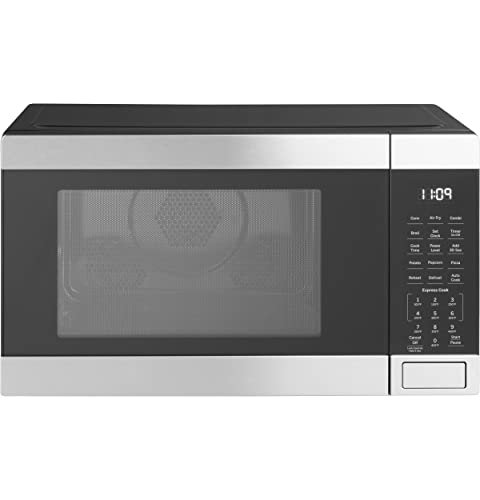

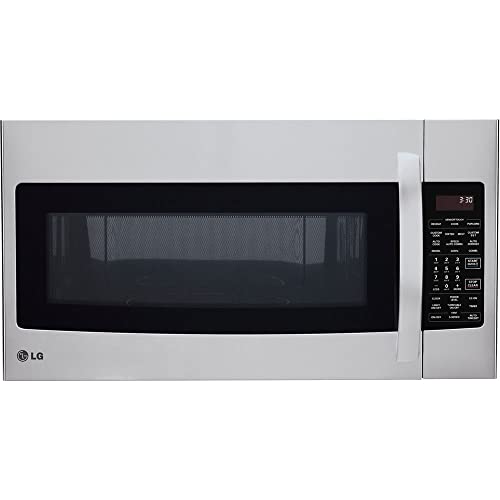
- SCORE8.8
- BrandLG

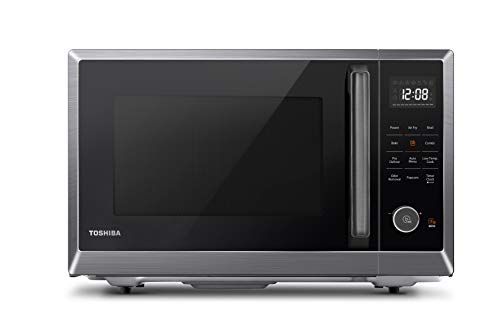

- SCORE8.8
- BrandCOSMO
- Prime
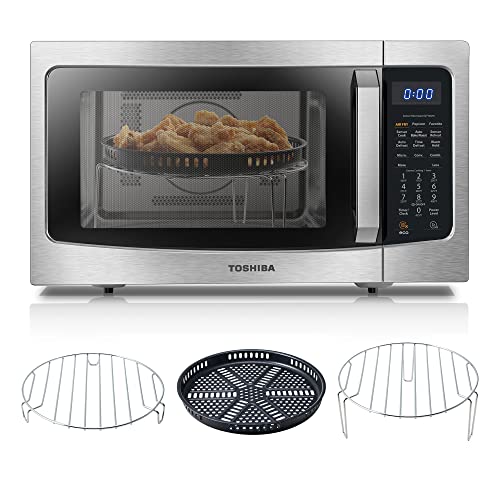
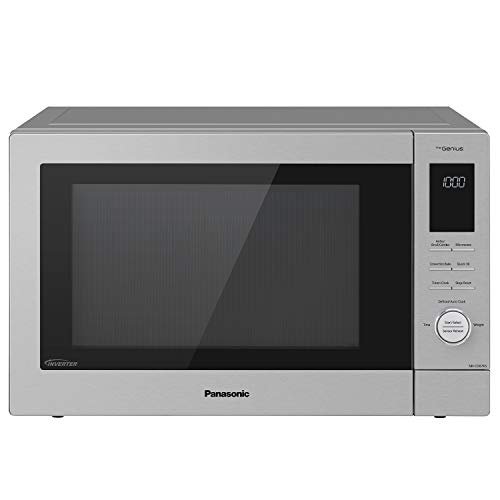
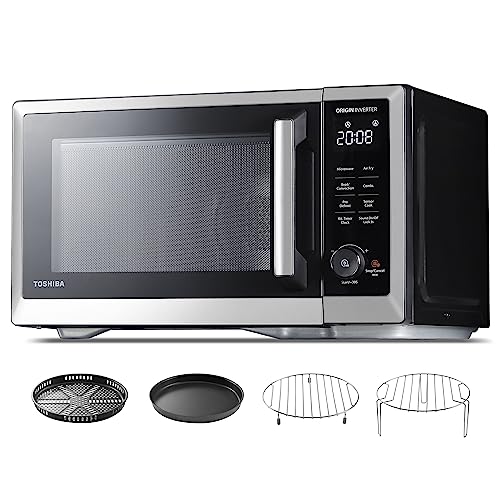
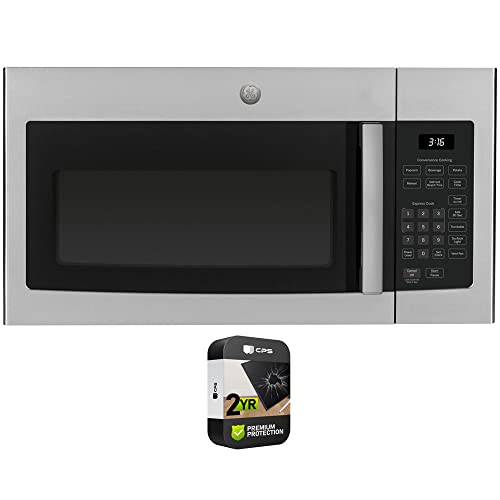
Last update on 2024-04-25 / Affiliate links / Images, Product Titles, and Product Highlights from Amazon Product Advertising API
To purchase more products with great prices, you can check out daily Amazon deals and save your wallet:
#1. SAVE SPACE:
Our top selection for the finest over-the-range microwave with an air fryer is a fantastic option for individuals on a tight budget who also happen to have a tiny kitchen because of its compact design. It's more costly than purchasing a high-quality microwave and air fryer separately, but it saves space and does both jobs well.
Ideal Product: Panasonic HomeChef 4-in-1 Microwave Oven with Air Fryer

Looking for the best over the range microwave with air fryer? Look no further than the Panasonic HomeChef 4-in-1 Microwave Oven and Air Fryer. This versatile appliance allows you to handle all your cooking needs, whether you're at home or on the go. It excels at preparing a wide range of meals, from crispy fried delights to perfectly baked and steamed dishes.
Say goodbye to mealtime stress, even when you're running late for work. With a Panasonic microwave oven, you can enjoy all your favorite home-cooked meals swiftly and conveniently, wherever you are.
This exceptional microwave offers three distinct cooking options: air frying, traditional baking, and steaming. What sets it apart is the built-in temperature probe, ensuring consistent and precise heating for your dishes. In addition to its exceptional functionality, this microwave also boasts user-friendliness and an attractive design, making it the ideal choice for any household.
Don't compromise on cooking quality; choose the Panasonic HomeChef 4-in-1 Microwave Oven and Air Fryer for the ultimate culinary experience.
What we like about this product?
1. Multi-functions: Grill, Air Fryer, and Rice Cooker
2. Two different oven settings
3. 10 Power Levels
4. 22-hour Keep warm
5. Auto Cook
6. Easy Conversion between Grill and Oven
7. Non-Stick Coating
8. Touch buttons for easy operation
9. Push down door release catch (Child Settings)
What we don’t like about this product?
1. No Timer or Clock - the timer must be set by pressing the start.
2. The Display Shows only the Time of Cooking and not the Actual Amount of Time
3. No Separate Vents to Ventilate
CUSTOMER reviews
We like this oven - "We purchased this to replace an older microwave and a toaster oven. So far this has exceeded expectations...." See more on Amazon
- User: chuck - 5 stars
Not quite an EZ-Bake, but does a lot! - "We got this to replace the functions of several items. I had a similar product years ago which cost a lot more. This one differs functionally in that it is not really designed to bake cakes, but..." See more on Amazon
- User: Amy Lewark - 4 stars
Jack of All Trades, Master of None - "First, this is a great appliance. Had a Panasonic microwave for years 10+ years that worked flawlessly and would still have it except that.." See more on Amazon
- User: Logical Paradox - 4 stars
Everyday cooking made easy!! - drop app is awesome! - "This 4-in-1 oven is great! During the pandemic we had no choice but to stay home and cook more. Now I’m hooked and I use it every day..." See more on Amazon
- User: KKAT - 5 stars
Related Product: TOSHIBA 4-in-1 ML-EC42P(SS) Microwave Oven, Smart Sensor, Convection, Air Fryer Combo
#2. EASY TO INSTALL:
The finest over-the-range microwaves with air fryers are designed to be installed quickly and easily over your stovetop, freeing up valuable wall space for other purposes. Under-the-range appliances may be placed either above or below your current stove.
#3. SAVE MONEY:
A microwave with an air fryer may be more costly than purchasing a microwave or an air fryer alone, but you will save more money in the long run. Utilizing a microwave in conjunction with an air fryer saves you money on your power bill as well as time while cooking. As a result, you will have more time to tackle other issues and devote to yourself.
Ideal Product: Instant Vortex Plus 10-Quart Air Fryer, From the Makers of Instant Pot

The new Instant Vortex Plus 10-Quart Air Fryer has a safety locking function that prevents leaks, making it very user-friendly. There are also specialized settings for frying chicken and other meats without drowning them in oil.
This would be a fantastic present for a foodie friend or family member who doesn't already have one, even if you're not interested in purchasing one for yourself.
If this is too much money for you, you can either get a smaller model (like the brand new Instant Vortex Plus 6 QT) or look at the best cheap over-the-range microwaves with air fryers here.
What we like about this product?
1. Helps you bake healthier food
2. Able to use a large capacity heat source: 8Qt
3. Programmable timer and temperature indicator
4. Built-in light for better visibility
5. LED indicators to show the power level and beep alert if needed
6. Handle that keeps your hand from accidentally touching the hot element or coming out of contact with the function dials - making it easy to clean by hand or put in the dishwasher
7. Guaranteed for 12 months, long-lasting, durable build - more than a 10-year warranty!
What we don’t like about this product?
1. Does not work well with pans that are too large
3. You Need to preheat the device before you can use it
4. It Takes some time to get used to using it
5. Plastic smell
CUSTOMER REVIEWS
Outstanding bang for your buck. - "I had been reading a lot of good things about air fryers and had been toying with the idea of getting one for myself. It arrived well packaged in an outer box and was undamaged. I’ve read stories where people..." See more on Amazon
- User: Greg Kamer - 5 stars
Why didn't I buy one of these things sooner?? - "I have had this for about ten days now and made five items. I don't usually leave reviews, but I thought I would for this air fryer. Its pretty great as far as I am concerned..." See more on Amazon
- User: Robert - 5 stars
This thing is a game-changer! - "Touch-screen, beautifully bright display, again, easy enough. I was told that there is a learning curve to these things, and I have to disagree. It's not the appliance you'll have to get familiar with..." See more on Amazon
- User: William S - 5 stars
Related Product: COMFEE' EM720CPL-PMB Countertop Microwave Oven
To purchase more products with great prices, you can check out daily Amazon deals and save your wallet:
Selecting the best over-the-range microwave with an air fryer can enhance your kitchen's functionality and save space. Here are some essential tips to ensure you make the right choice:
1. Size and Fit
Measure the space above your stove to ensure the microwave fits snugly. Check both the width and height to accommodate the chosen model. Additionally, consider the internal capacity to ensure it meets your cooking needs.
2. Cooking Functions
Look for a microwave with a variety of cooking functions beyond air frying, such as convection cooking, microwave heating, and grilling. Versatile options can help you prepare a wide range of dishes.
3. Air Fryer Performance
Check the air frying capabilities, including the temperature range, cooking presets, and air circulation system. Ensure it provides consistent and even cooking results for your favorite fried foods.
4. Wattage and Power
Consider the microwave's wattage, as it can impact cooking speed and efficiency. Higher wattage models tend to cook faster, but they may also consume more energy.
5. Ease of Use
Opt for a model with user-friendly controls, a clear display, and intuitive presets. Convenience features like one-touch buttons and sensor cooking can simplify your cooking experience.
6. Ventilation and Exhaust
Verify the microwave's ventilation system and exhaust capacity. Over-the-range microwaves often come with built-in vents to remove cooking odors and smoke. Ensure it adequately ventilates your kitchen.
7. Cleaning and Maintenance
Consider the ease of cleaning both the microwave and the air fryer components. Removable and dishwasher-safe parts can simplify maintenance.
8. Brand Reputation
Research the reputation of the brand and read customer reviews to gauge reliability and durability. Trustworthy brands often offer better warranties and customer support.
9. Budget
Set a budget based on your requirements and kitchen renovation plans. While feature-rich models may be enticing, prioritize the features that align with your cooking needs and budget constraints.
10. Installation
Ensure you have the necessary electrical and ventilation setup for an over-the-range microwave. Installation can be more complex than countertop models, so professional installation may be required.
By following these tips, you can make an informed decision and select the best over-the-range microwave with an air fryer that enhances your cooking capabilities and complements your kitchen space.
1. Can I use an over-the-range microwave with an air fryer for regular microwave cooking?
Yes, you can use it for regular microwave cooking tasks like reheating leftovers, defrosting, and cooking microwave-safe dishes. These microwaves typically offer various cooking modes, including microwave heating.
2. What should I consider when installing an over-the-range microwave with an air fryer?
Proper installation is crucial. Ensure you have the necessary electrical and ventilation setup. Over-the-range microwaves require a dedicated circuit and proper ventilation to exhaust cooking odors and smoke. Professional installation may be necessary.
3. Are over-the-range microwaves with air fryers more expensive than traditional microwaves?
Yes, over-the-range microwaves with air fryer functionality are generally more expensive than traditional microwaves due to their additional features and cooking capabilities. However, they offer versatility and space-saving benefits.
4. How do I clean an over-the-range microwave with an air fryer?
Cleaning procedures may vary by model, but generally, you can clean the interior and removable components with warm, soapy water or follow the manufacturer's cleaning instructions. Ensure that the air fryer basket and tray are easy to remove and dishwasher-safe for convenience.
5. Can I cook a wide range of dishes using the air fryer function?
Yes, you can cook various dishes using the air fryer function, including fries, chicken wings, vegetables, and even baked goods like muffins and cookies. Most models come with preset cooking options for convenience.